
Smart insulin pen alerts linked to improved glucose outcomes in type 1 diabetes

People with type 1 diabetes using multiple daily injections who respond more consistently to smart insulin pen alerts could achieve improved glucose outcomes, according to new six-month randomised trial data.
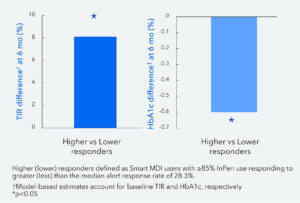
The study found that users of the MiniMed Smart MDI system with higher response rates to missed-dose and high-glucose alerts achieved, on average, 8.1 percentage points more Time in Range (TIR) and a 0.6 percentage-point lower HbA1c compared with those with lower response rates.
The randomised controlled trial involved 143 people with type 1 diabetes and an HbA1c above 8%, with the findings presented at the 62nd Annual Meeting of the European Association for the Study of Diabetes (EASD).
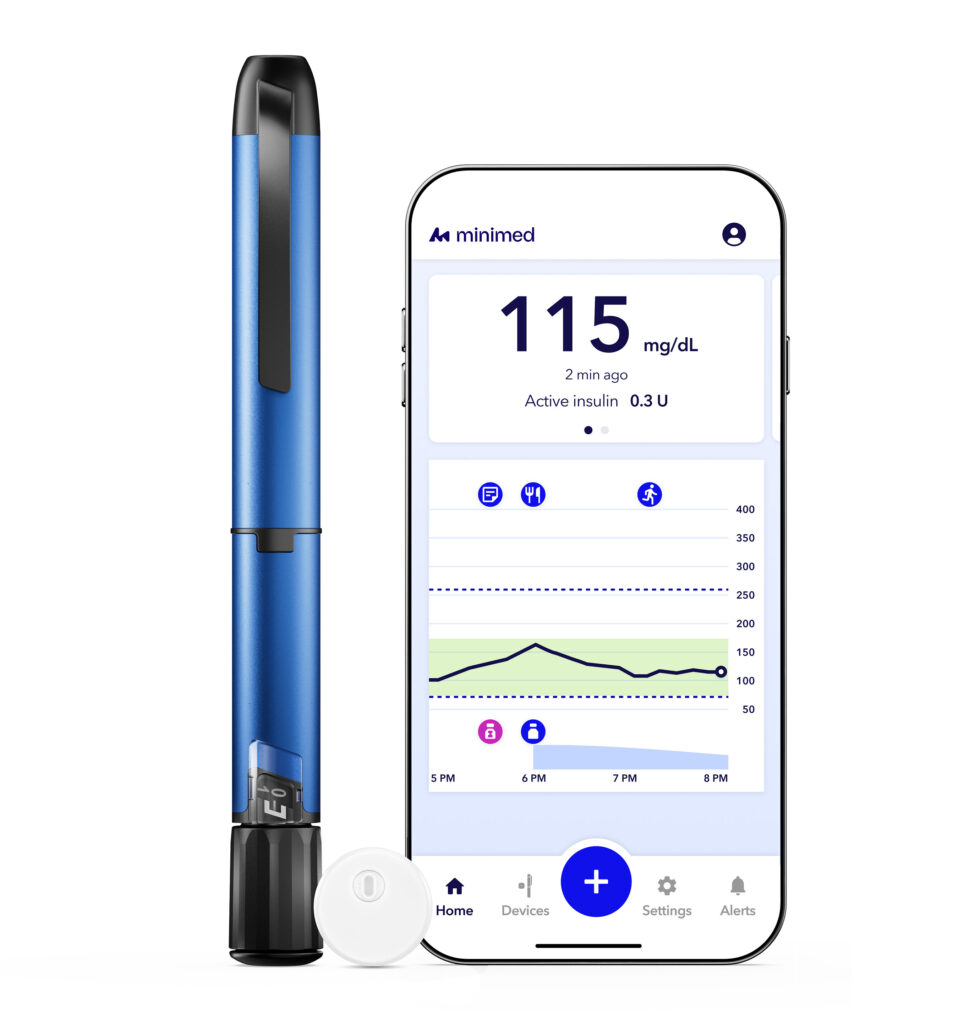
MiniMed’s Smart MDI system connects the InPen smart insulin pen with a continuous glucose monitor through the MiniMed Go app. It tracks insulin doses, provides dose calculations and sends missed-dose and high-glucose alerts alongside glucose information.
The trial found that responding to at least 28% of missed-dose and high-glucose alerts was associated with improved HbA1c compared with multiple daily injections plus continuous glucose monitoring alone.
The Smart MDI system also met the study’s primary endpoint and was non-inferior to multiple daily injections plus continuous glucose monitoring in glycaemic outcomes.
No severe hypoglycaemia or diabetic ketoacidosis events were reported in the Smart MDI arm during the study.
Additional real-world analysis involving more than 5,500 users found a 9.4 percentage-point difference in Time in Range between people with higher and lower alert-response rates. HbA1c was not analysed in the real-world dataset.
Professor Laurent Crenier, Head of the Endocrinology Department at HUB – Hôpital Erasme in Brussels, said: “These findings show a clear association between responding to Smart MDI alerts and better glucose outcomes. For people on multiple daily injections, that can mean more time in range with less day-to-day mental burden.”
People managing type 1 diabetes with multiple daily injections need to monitor glucose, remember injections, calculate insulin doses and make adjustments around meals and everyday activities.
Previous research cited by MiniMed indicates that missing two insulin doses a week can increase HbA1c by 0.4%.
While insulin pump therapy remains recommended for people with type 1 diabetes, not everyone wants or is able to access a pump, highlighting the potential role of smart insulin pen technology for those using multiple daily injections.
Que Dallara, CEO of MiniMed, said: “People managing diabetes with multiple daily injections are making insulin decisions all day, every day. MiniMed Go is designed to lighten that load by remembering, reminding, and recommending when it matters.
“The goal is to help them achieve better outcomes with less burden. That’s the promise of the MiniMed Go smart MDI system.”
The researchers cautioned that, because of limitations inherent in the analysis, care should be taken when generalising the findings to new patients.