
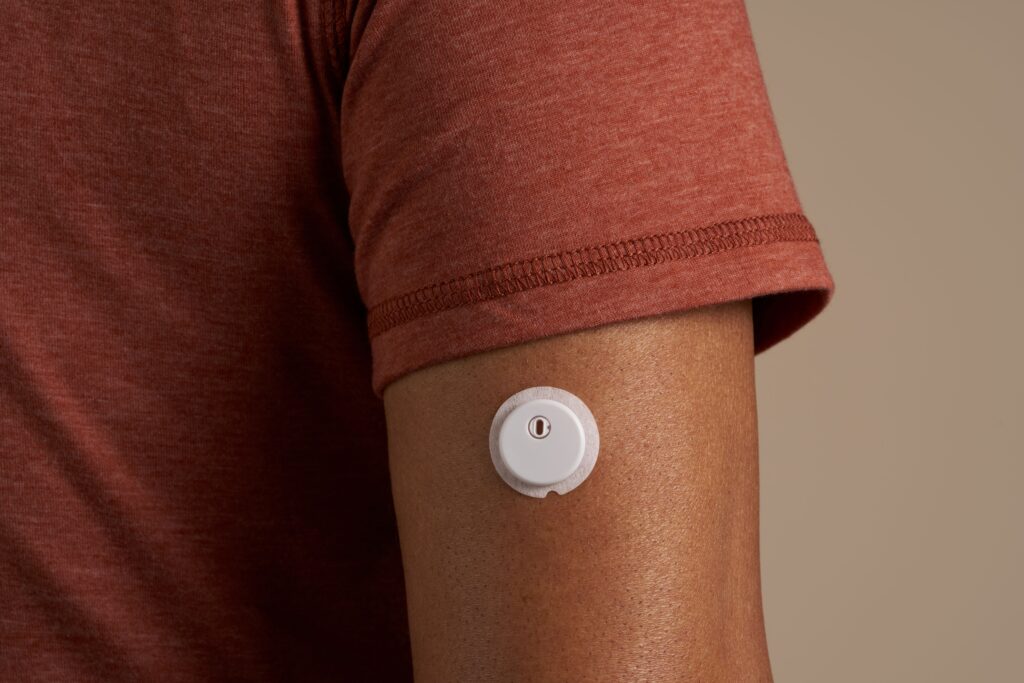
CE Mark secured for world’s first dual glucose-ketone sensing technology for people with diabetes

Abbott has secured a CE Mark for the world’s first dual glucose‑ketone sensing technology for people with diabetes.
Branded as Libre Duo and Libre Duo 10 Day, the systems are designed to continuously measure glucose and ketone levels every minute, providing real-time visibility into both glucose levels needed for daily diabetes management as well as rising ketones that can lead to a diabetic ketoacidosis (DKA) emergency.
This marks the first time people with diabetes will be able to monitor ketones without traditional blood or urine tests. Abbott plans to begin launching Libre Duo systems in select European countries later this year.
In people with diabetes, DKA develops when the body does not have enough insulin and begins breaking down fat for energy, causing ketones to rise to dangerous levels in the blood.
According to the American Diabetes Association, elevated ketones can escalate to DKA within hours and, if left untreated, can lead to coma or death.
Yet, despite clinical guidance recommending ketone testing during illness or periods of elevated glucose, early detection remains a persistent challenge.
Libre Duo systems continuously monitor both glucose and ketone levels, reducing reliance on blood or urine tests that capture only a single moment in time.
The sensors are designed to help people with diabetes monitor glucose levels – the standard of care for daily diabetes management – while also alerting people to rising ketones so they can take action sooner and potentially avoid a serious DKA emergency.
This CE Mark covers two Libre Duo systems. Libre Duo delivers up to 15 days of wear and will be offered to adults ages 18 and older.
Libre Duo 10 Day offers up to 10 days of wear and is intended for people ages two and older. Clinical data indicate that a 10-day sensor can help active youth complete the full wear period. Both sensors deliver consistent, strong accuracy.
Libre Duo systems will integrate with Abbott’s Libre digital health ecosystem, enabling users to share glucose and ketone data with caregivers and healthcare providers.
Abbott is also working with leading pump companies to allow automated insulin delivery (AID) systems to connect with the sensors.
“Abbott has a long-established pattern of setting the pace in health tech innovation,” said Chris Scoggins, executive vice president of Abbott’s diabetes care business. “People living with diabetes routinely tell us that the risk of serious complications is a constant part of everyday life. Our Libre Duo systems offer people with diabetes, families and healthcare providers clearer, earlier information about what’s happening inside their body, allowing them to act sooner when safety matters most.”
Libre Duo systems align with recommendations outlined in a recent international expert consensus paper from Breakthrough T1D, a global organisation focused on type 1 diabetes research and advocacy, which describes the safe and effective use of continuous ketone monitoring as part of diabetes management.
Hilary Nathan, director of policy at Breakthrough T1D in the UK, said: “Type 1 diabetes is as individual as the people living with it, and there is no one-size-fits-all approach to managing it.
“That is why access to a range of technologies and genuine choice is so essential. It is tremendous to see innovation moving forward with tools like dual ketone and glucose monitoring, giving people more options to understand and manage their condition in real time.”
She added: “At Breakthrough T1D, we welcome advances like this, which reflect the realities of daily life with type 1 diabetes.”