
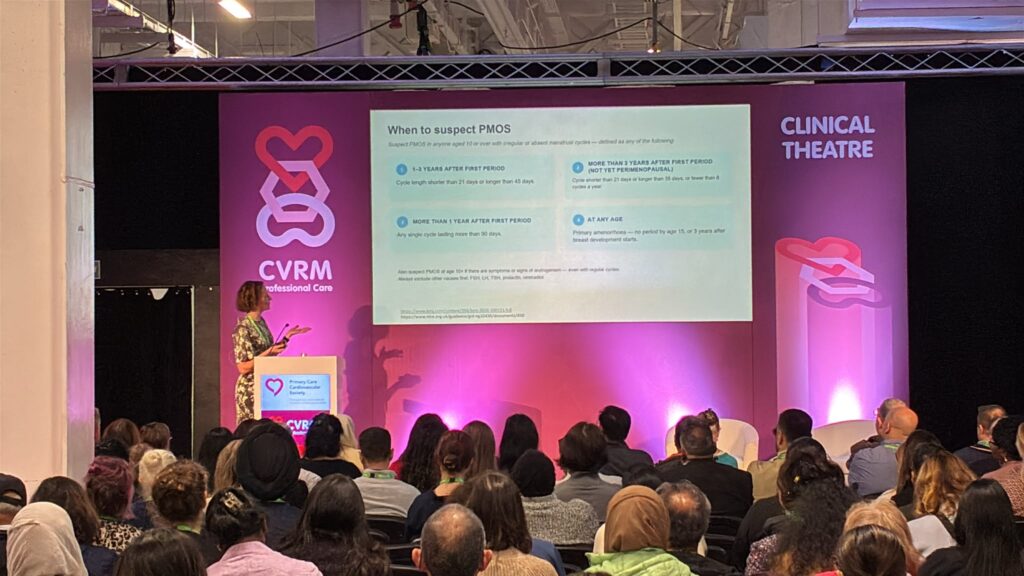
Women with PCOS face increased cardiovascular risks as GP calls for earlier diagnosis and annual reviews

Women with polycystic ovary syndrome (PCOS) are being diagnosed too late and need better monitoring for metabolic and cardiovascular complications, a leading women’s health specialist warned at CVRM Professional Care 2026.
Dr Carys Sonnenberg, an NHS GP with a specialist interest in women’s health, said the condition, which affects one in eight women, must be recognised as more than a reproductive health issue, with greater emphasis placed on early diagnosis and long term management.
Speaking at the event on Wednesday, October 21, she said: “It has historically been misdiagnosed, and the diagnosis has happened late, so we now need to understand that this condition affects multiple parts of the body.”
She added that women experienced “symptoms which we need to manage, but also increased risk of metabolic syndrome and cardiovascular risk”.
Dr Sonnenberg called for these risks to be addressed through annual reviews, ensuring women receive appropriate monitoring and support throughout their lives.
Her warning comes amid growing recognition of the wider metabolic implications of PCOS, with the condition increasingly being discussed under the term polyendocrine metabolic ovarian syndrome (PMOS).
During her session, Polyendocrine Metabolic Ovarian Syndrome: Metabolic and Cardiovascular Risk in Clinical Practice, Dr Sonnenberg encouraged healthcare professionals to use the 2023 International Evidence Based Guideline for the Assessment and Management of Polycystic Ovary Syndrome to support more consistent diagnosis and management.
The guidance provides recommendations covering diagnosis, metabolic health, fertility, pregnancy and the wider physical and psychological effects of the condition.
Dr Sonnenberg highlighted the importance of recognising symptoms earlier, particularly as diagnosis has historically been delayed or missed.
In adults, diagnosis generally requires two of three criteria: irregular or absent menstrual cycles, clinical or biochemical evidence of excess androgens, and polycystic ovarian morphology identified through ultrasound or, where appropriate, anti Müllerian hormone testing.
However, she emphasised that ultrasound is not always necessary and that clinicians should consider other possible causes of symptoms before confirming a diagnosis.
Diagnosis in adolescents requires particular care, with ultrasound not recommended for diagnosing the condition during adolescence.
Beyond diagnosis, Dr Sonnenberg stressed the need for healthcare professionals to recognise the increased risk of metabolic complications and ensure women receive appropriate ongoing assessment.
She said: “So we need to manage these at an annual review.”
The condition can also affect fertility and pregnancy, with women facing an increased risk of complications including gestational diabetes, hypertension, preeclampsia and miscarriage.
However, Dr Sonnenberg highlighted that although PCOS can make conception more difficult, many women can become pregnant naturally or with medical support.
Treatment options include lifestyle and weight management interventions, medicines to stimulate ovulation and assisted reproductive treatments such as IVF.
Improving lifestyle support was another important area, with Dr Sonnenberg emphasising the role of balanced nutrition, regular meals and physical activity in supporting metabolic health.
She encouraged healthcare professionals to offer practical advice on managing food cravings, including adequate protein, fibre and healthy fats, rather than dismissing the challenges women experience.
Women should also be directed towards reliable sources of information and support, including the Verity charity and the AskPCOS app.
Dr Sonnenberg, who is also a registered Menopause Specialist, coauthor of Women’s Health Made Easy and a director of the Primary Care Women’s Health Society, said better understanding of the condition was essential to improving care.
She concluded: “Understanding this condition better can help us support our patients.”
CVRM Professional Care 2026 took place on October 20 and 21. Learn more here: https://www.cvrmprofessionalcare.uk