
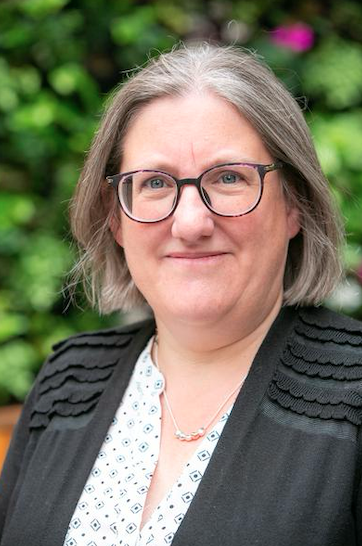
Hospital admissions for complex CVRM conditions represent a ‘failure of our systems’, says NHS England clinical director

Patients developing complex cardiovascular, renal and metabolic (CVRM) conditions that require hospital treatment represent a “failure of our systems upstream”, a consultant pharmacist and NHS England clinical director told delegates at CVRM Professional Care 2026.
Helen Williams, National Clinical Director for Cardiovascular Disease Prevention at NHS England, warned that opportunities to prevent or delay serious conditions, including heart failure, diabetes and kidney disease, were being missed because risk factors were not being addressed early enough.
Speaking during her session, CVRM Care: Getting the Most from Medicines, she highlighted the importance of early intervention, effective use of medicines and closer collaboration between healthcare professionals to improve patient outcomes.
She said: “If someone ends up in hospital with complex cardiovascular, renal, metabolic syndrome, heart failure, AF, uncontrolled diabetes, maybe end stage kidney disease, it’s actually a failure of our systems upstream.”
Helen, who is also Consultant Pharmacist for Cardiovascular Disease at South East London Integrated Care System, explained that many serious CVRM conditions develop over decades, providing significant opportunities for healthcare professionals to intervene before patients require specialist hospital care.
She said: “That CVRM syndrome is 20, 30 years in the making, and the NHS has a great opportunity to delay the onset of CVRM if it is inevitable for some patients, but potentially prevent it altogether.”
She added that this could be achieved “through better control of blood pressure, cholesterol, glucose, managing obesity, stopping people smoking and managing CKD”.
Her presentation examined how earlier detection and more effective management of CVRM risk factors could support the ambitions of the NHS cardiovascular disease Modern Service Framework, which aims to reduce premature deaths from heart disease and stroke by a quarter within a decade.
A central message was the need to move beyond identifying risk factors and ensure patients received appropriate treatment, regular follow up and ongoing support to achieve recommended clinical targets.
Helen highlighted the importance of shared decision making, particularly when discussing attitudes towards medicines and understanding why patients may not take prescribed treatments.
She emphasised that clinicians should identify and address problems with adherence, manage side effects and adjust treatments where necessary rather than allowing patients to remain on ineffective or insufficient doses.
For patients with chronic kidney disease, she highlighted opportunities to optimise renin angiotensin aldosterone system inhibitor treatment, introduce SGLT2 inhibitors where appropriate and improve cholesterol management.
For people living with diabetes, she outlined the importance of managing blood pressure and cholesterol alongside blood glucose levels, including the appropriate use of metformin, SGLT2 inhibitors and GLP1 therapies.
She also highlighted the potential role of weight management interventions, including access to tirzepatide for eligible patients under NHS criteria.
However, Helen stressed that medicines alone were not the answer, with structured weight loss programmes, smoking cessation support, healthier diets and increased physical activity remaining essential components of CVRM prevention.
She also called for greater collaboration between healthcare professionals, particularly within primary care, where she believes much of the work to prevent complex CVRM conditions should take place.
Asked whether CVRM presented an opportunity to bring different healthcare teams together, she said: “Yes, absolutely. A lot of this will sit in primary care with our core primary care team, the nurse, the pharmacist, the GP, and also the social prescribers.”
By bringing these professionals together and intervening earlier, she suggested that many patients could avoid needing specialist treatment altogether.
She added: “If we do it right in primary care, they may never need to see the nephrologist or the diabetologist or the cardiologist for complex management.
“Or certainly we might push it 10, 20, 30 years down the line, which is the ultimate aim really, keeping people healthier for longer.”
With more than 30 years of experience in cardiovascular care across hospital, primary care and community settings, Helen has played a key role in national programmes addressing atrial fibrillation, blood pressure and cholesterol.