Lyla’s Law campaign secures major government changes after toddler’s tragic death

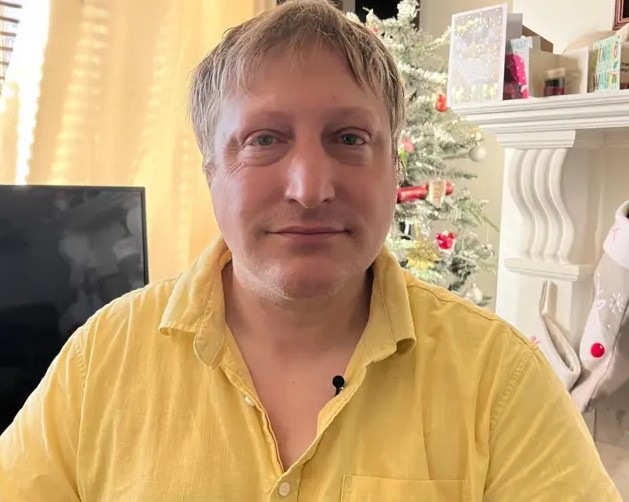
A grieving father who vowed to prevent other families suffering the same heartbreak has secured ‘life-saving’ changes to the way type 1 diabetes is identified in children across England, following a relentless campaign launched after the death of his two-year-old daughter.
John Story, from Hull, launched the campaign for Lyla’s Law after his daughter, Lyla, died from undiagnosed type 1 diabetes in May 2025. Now, in a landmark breakthrough, the Department of Health and Social Care has confirmed a series of significant national changes directly linked to his campaign, including updates to clinical guidance, mandatory equipment requirements for GP surgeries and a nationwide review aimed at reducing missed diagnoses.
In a letter sent to Mr Story, Parliamentary-Under Secretary of State for Public Health and Protection Sharon Hodgson acknowledged that the changes have happened “because of your campaign and engagement” and praised the family’s determination to turn tragedy into action.
The minister wrote: “The courage you have both shown to campaign so powerfully, at such a time of unimaginable grief, is truly inspiring. It will help ensure no other families suffer as yours has.”
Among the most significant developments is confirmation that the National Institute for Health and Care Excellence (NICE) has already updated its NG18 guidance following the campaign.
Crucially, the guidance now reflects that a child can present with diabetic ketoacidosis (DKA) – a life-threatening complication of Type 1 diabetes – without having an existing diagnosis of the condition.
John Story said: “When you’ve fought this hard, for this long, and you finally see Government confirm real, concrete changes, like every GP surgery in the country now being required to have a blood glucose meter and the right equipment, it hits you in a very personal way. On the way back to Leeds train station I felt Lyla beside me, and admittedly, I became weepy. But these were happy tears, tears of pride for our little girl.
“I told my wife, Emma straight away. Everything I’m doing is because of Lyla and now also a beautiful community to boot. Every step forward is part of her legacy. I told Emma and NHS England that Lyla’s life will not be in vain and that she is already changing the system.”
NICE has also agreed to convene an independent expert clinical panel to review recommendations surrounding the identification and diagnosis of Type 1 diabetes in children.
In another major victory, the Care Quality Commission (CQC) has updated its guidance so that GP practices are now required to have blood glucose testing equipment immediately available.
The move means GP surgeries across England must now have blood glucose meters, in-date testing strips and lancets on site to enable rapid blood sugar testing when a child presents with symptoms suggestive of Type 1 diabetes or diabetic ketoacidosis.
The Government also confirmed that a major national report by NHS England’s Getting It Right First Time (GIRFT) programme will examine why children continue to present in diabetic ketoacidosis before diagnosis and make recommendations aimed at improving early detection and reducing avoidable harm.
Further measures include increased distribution of Diabetes UK’s “4Ts” awareness campaign materials across GP practices nationwide and the development of new Type 1 diabetes education and training resources for healthcare professionals through Digibete, which is commissioned by NHS England.
The letter concludes with a commitment from ministers and NHS England to continue working closely with the Story family and states that the shared objective is to “ensure no other family has to endure the devastating consequences of a missed T1D diagnosis.”
Lyla’s death sparked national attention after her parents revealed that symptoms including excessive thirst and increased wet nappies had been reported before she was diagnosed with tonsillitis. She died in her sleep just 16 hours later.
In the months that followed, John and Emma Story launched a petition calling for Lyla’s Law, urging mandatory testing whenever a child displays symptoms associated with Type 1 diabetes. The campaign attracted more than 121,000 signatures, triggering a Parliamentary debate and meetings with senior ministers.
John Story added: “We lost Lyla because the system failed her. To know that national guidance has changed, that the CQC has strengthened its requirements, and that NHS England is now actively working with us tells me that her story is protecting other children and even adults for that matter.
Campaigners believe the latest developments represent the most significant progress yet towards improving awareness, diagnosis and patient safety surrounding childhood Type 1 diabetes but there is more work to be done.
John said: “What next? We keep going. The changes so far are important, but they don’t close the biggest gap, accountability. Under Lyla’s Law, if a child presents with symptoms of Type 1 Diabetes, a GP cannot simply dismiss them. There must be a formal warning mechanism and mandatory training.
“I’m working with NHS England, clinicians and DigiBete on a short, powerful training module that removes all the usual barriers. It’s nearly ready and when it goes live, it needs to become mandatory across healthcare, especially in general practice where most missed diagnoses happen.
“I must continue to work with NHS England, the Health Secretary and MPs to make sure Lyla’s Law becomes a lasting safeguard.
“Personally, this is about making sure no other parent stands where we stand. It’s about turning grief into something that saves lives. It’s about honouring Lyla in the only way we can now, by fixing the failures that took her from us.”
The Government’s recognition that multiple national changes have occurred as a result of the campaign marks a major milestone in the family’s fight for accountability and reform.
For Lyla’s parents John and Emma, the hope is that every healthcare professional who now spots the signs earlier, every GP surgery equipped to test immediately, and every child diagnosed before reaching crisis point will stand as proof that Lyla’s short life has left a lasting impact on families across the country.
For more information about the dangers of type 1 diabetes in babies and infants, visit: https://www.youtube.com/watch?app=desktop&v=1DkLDF_Zc_s.
For more information about the Lyla’s Law petition, visit: https://petition.parliament.uk/petitions/728677.