
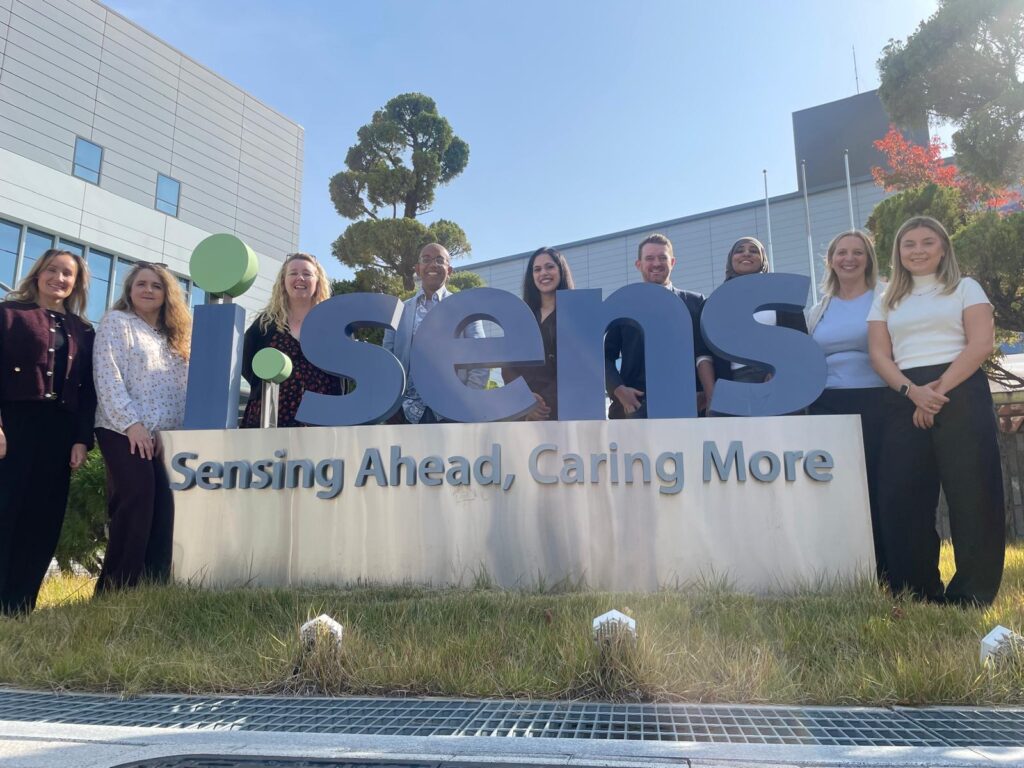
UK delegation learns about Korean diabetes care

A team of healthcare professionals from the UK gained a “unique insight” about diabetes care in South Korea as part of Spirit Health’s new knowledge exchange programme.
A delegation of six made up of a GP, Diabetes Specialist Nurses, a pharmacist and dietitian visited Gangdong Kyunghee University Hospital in Seoul and had a meeting with the Korean Association of Diabetes Nurse Educators.
They traded experiences and shared good practice all with the aim of improving care for people with diabetes in their own countries.
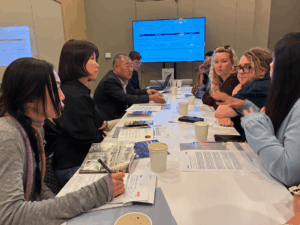
The Diabetes Exchange brings together leading UK diabetes clinicians with experts from around the world to share real-world best practice, challenge clinical boundaries and explore the latest advances in diabetes care.
This first international summit in this new series took place from November 2 to 5 in Seoul and was organised with Spirit’s partners i-SENS, leading manufacturers of glucose monitors which has its international headquarters in the South Korean capital.
Clare Leek, at Spirit Health, said: “It’s been such a fantastic experience. The visit to i-SENS and, particularly, the opportunity to meet and exchange ideas with the Korean clinical colleagues was incredibly valuable.
“Hearing different perspectives, comparing how diabetes care is delivered and having such open conversations about the challenges we all face was exactly what we had hoped to achieve. I really believe we have come away with some valuable learning, new ideas and connections that will have a lasting impact.”
At Gangdong Kyunghee University Hospital in Seoul, the UK delegation was shown the diabetes education and complications rooms. They learned about the country’s standard course required for diabetes educators, the hospital’s proactive approach to detecting complications and that decisions on insulin pump eligibility were made based on C-peptide testing. Rolling out CGMs to newly diagnosed people with type 2 diabetes was another insight gained.
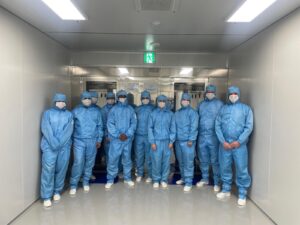
As well as the hospital visit and meeting with Korean nurses, the UK team also had a guided tour of the i-SENS continuous glucose monitoring manufacturing facility.
Amanda Williams and Tamsin Fletcher-Salt from the DSN Forum were part of the delegation. Tamsin, Lead Diabetes Specialist Nurse at University Hospitals of North Midlands NHS Trust, said: “Spending three days with colleagues from the UK and meeting diabetes nurse educators in South Korea gave me a lot to think about. Watching CGM sensors being built, from components to the finished device, was fascinating for someone who has lived with diabetes for nearly 50 years and has seen the technology evolve.
“Discussing South Korea’s national insurance model with the nurses showed me how much their funding system shapes care. Whilst the NHS is free at the point of use, access to CGM can still depend on your postcode. Neither system has solved it but we are all working hard to give access to technology for people living with diabetes.”
Dr Kevin Fernando, Portfolio GP at NHS Lothian, who also attended, said: “The visit gave us a valuable opportunity to see first-hand how diabetes services are delivered in South Korea and, importantly, consider what we can learn and bring back to the UK to improve the lives of people living with diabetes.
“It was a unique insight into a healthcare system with some significant differences to our own, both positive and challenging. We felt privileged to experience these services at first hand, meet the professionals delivering care and share knowledge and ideas that could help shape the future of diabetes care in both countries.”
Fellow UK delegate Nusrat Kausar, Clinical Director and Dietitian from Bradford, said: “It was fascinating to meet the diabetes team, learn more about their approach to care and compare their practices with our own services in the UK. I was particularly impressed by the use of CGMs in people with type 2 diabetes, the significant role of dietitians within th
e service and the close collaboration between dietitians and nurses.
“It was also interesting that there seemed to be less focus on diabetes remission than we have in the UK, and less awareness of it among the nursing staff I spoke with. There was a great deal for us to reflect on and consider how we might apply some of these learnings in our own practice.”
Gurpreet Kaur, a pharmacist specialising in diabetes care in the West Midlands, was part of the delegation. She said: “ What I will be taking away was the importance of proactive rather than reactive care. Their focus on regular review, structured education, and preventing complications showed how services can support people before their condition deteriorates.
“At the same time, learning that pharmacists were not routinely part of their MDT made me reflect on the additional contribution pharmacy makes through medicines optimisation, prescribing, and patient education in the UK. I would take both elements forward: retaining the strong proactive-care approach while ensuring that integrated MDTs make best use of the skills of the whole multidisciplinary workforce.”
Spirit will be staging a webinar to further disseminate knowledge gained from the South Korea trip with its new community of UK healthcare professionals who have joined the programme. Spirit Health plans to continue The Diabetes Exchange as an ongoing international initiative, creating opportunities to share knowledge, showcase UK best practice and build lasting collaborations with diabetes experts around the world.
